Atafu Island - Formerly Called Duke Of York Island
Atafu island, an island nation in the South Pacific Ocean, includes a tiny collection of 42 coral islets known as Tokelau, formerly known as the Duke of York Group. Tokelau is a dependent territory of New Zealand. Atafu island is a coral atoll in the South Pacific Ocean and a territory of New Zealand called Tokelau.
Author:Jane RestureSep 29, 202232.8K Shares1M Views
Atafu island, an island nation in the South Pacific Ocean, includes a tiny collection of 42 coral islets known as Tokelau, formerly known as the Duke of York Group. Tokelau is a dependent territory of New Zealand.
Atafu island is a coral atoll in the South Pacific Ocean and a territory of New Zealand called Tokelau. It consists of 19 islands that rise to a height of 15 feet above sea level and surround a lagoon that is 3 miles by 2.5 miles in size.
After Atafu island was found by the British explorer John Byron and given the name Duke of York Island, the London Missionary Society brought him to Christ. Even though it rains frequently, fresh water is rare, and islanders must survive on coconuts and marine creatures.
The absence of safe anchorages hinders shipping. A Taupulega, which comprises two elected representatives and the leaders of family groupings, oversees local government. 1.4 square miles in size.
Population Of Atafu Island
Although only 413 individuals were on Atafu the night the census was collected, 541 people are officially registered as living there as of the 2016 census. 78% of those in attendance are Congregational Church members.
On Atafu Island, which is the atoll's northwest corner, the major town is situated. Although the island's Presbyterian church was founded in 1858, practically the majority of the current population is Congregational Christian.
At the southernmost point of Atafu, the first settlement was founded. To make the most of the cooling trade winds, residents constructed homes along the lagoon's edge.
The History Of Atafu Island
Polynesians visited the island in the past, although they might not have made it their permanent home. On June 21, 1765, John Byron of HMS Dolphin made the atoll's first European discovery.
At the time, Byron discovered no one was residing on the island. The island was given the name Duke of York's Island. A husband and wife team named Tonuia and Lagimaina, along with their seven children founded the village of Atafu.
The island and the adjacent Tokelauan atolls were claimed by the US between 1856 and 1979. The Treaty of Tokehega, which created a maritime border between Tokelau and American Samoa, was signed in 1979, the same year the United States agreed that Tokelau now fell within New Zealand's jurisdiction.
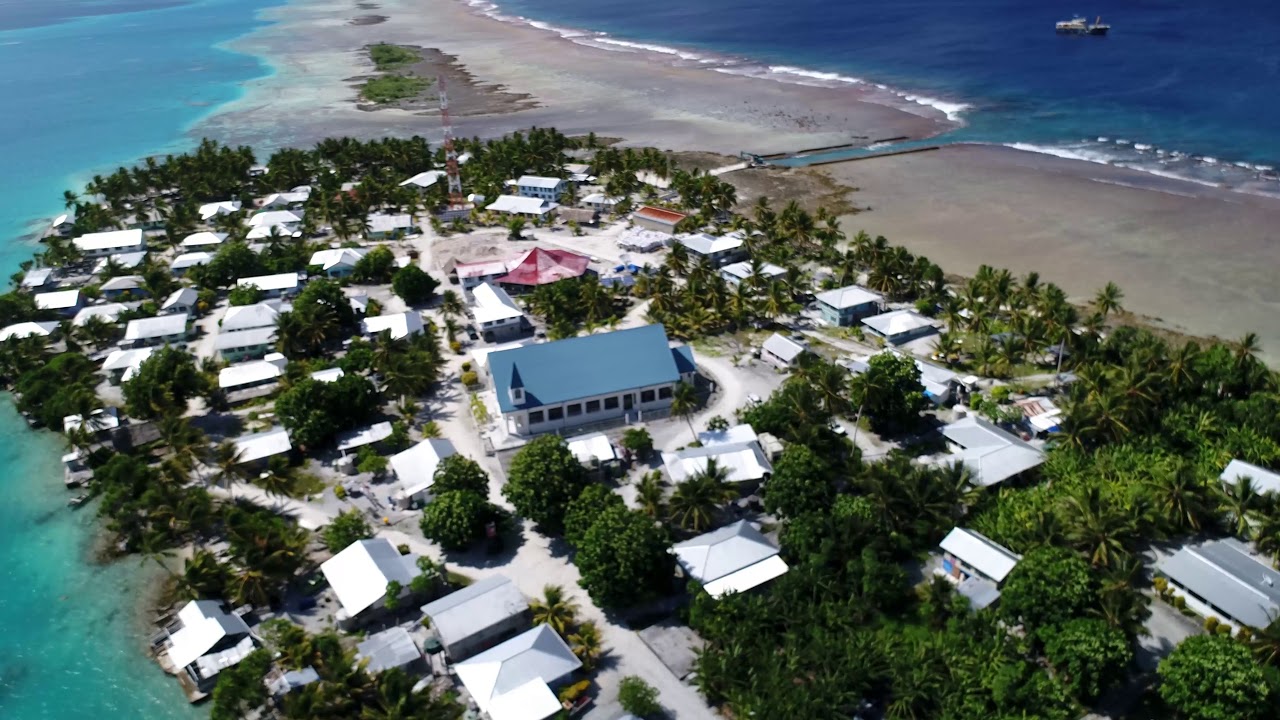
Scenes of Atafu atoll, Tokelau
Atafu Island Residents
As was the case with the first inhabitants in the settlement of Atafu, who constructed the houses along the lagoon coast to get the cooling trade winds, the majority of the population resides in the southern portion of the atoll.
Since the atoll is currently one of the less easily accessible locations, the only way to get there is by boat. Once there, though, people can enjoy the rich marine life, hop from island to island when the tide is low and talk to the locals to learn as much as they can about the unique Tokelau culture.
People Also Ask
What Is Atafu Island Famous For?
Despite being the first country in the world to run entirely on solar energy, Atafu Island has the worst economy of any sovereign state.
Where Is Atafu?
Atafu is a coral atoll in the South Pacific Ocean and a territory of New Zealand called Tokelau.
What Country Owns Atafu Island?
The residents of Atafu Island are Realm of New Zealand subjects and belong to that country.
Conclusion
Atafu island is a collection of 52 coral islets in Tokelau, in the South Pacific Ocean, 500 kilometers north of Samoa. It was once known as the Duke of York Group.
It is the smallest of the three islands that make up Tokelau, with a total land area of about 2.5 square kilometers. It is an atoll and is surrounded by a 15 km2 core lagoon.

Jane Resture
Author
Since she embarked on her first world trip in 2002, Jane Resture spent the past decades sharing her personal journey and travel tips with people around the world. She has traveled to over 80 countries and territories, where she experienced other cultures, wildlife she had only read about in books, new foods, new people, and new amazing experiences.
Jane believes that travel is for everyone and it helps us learn about ourselves and the world around us. Her goal is to help more people from more backgrounds experience the joy of exploration because she trusts that travel opens the door to the greatest, most unforgettable experiences life can offer and this builds a kinder, more inclusive, more open-minded world.
Latest Articles
Popular Articles